“Forgiving yourself allows you to let go of the person you thought you needed to be. Forgiving others allows you to accept what happened and let go of needing to change it.” -Najwa Zebian
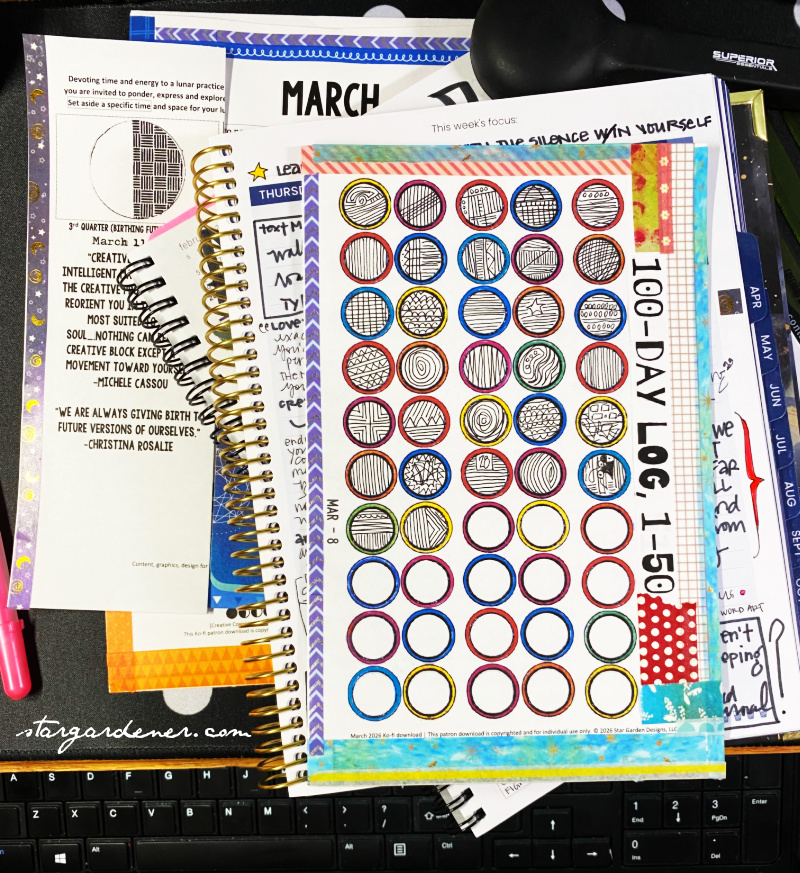
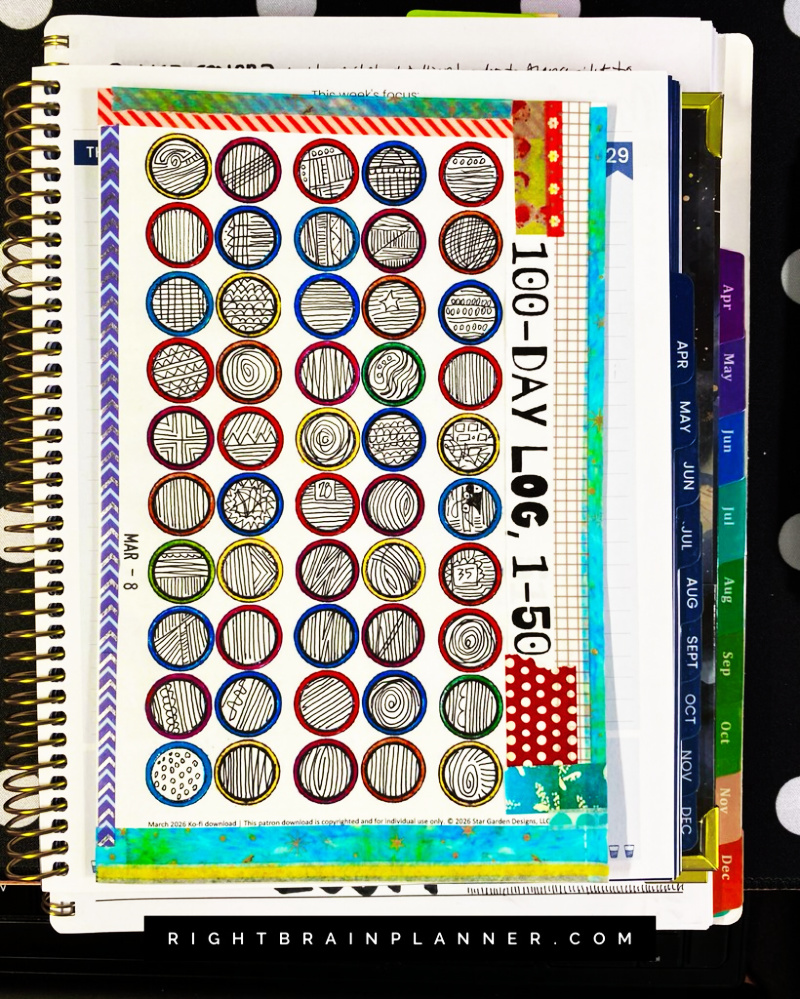
Today is day 50 of exploring this prompt: What if it all works out? ❤️
- This week I continued to reread, Welcome Home: A Guide to Building a Home for Your Soul by Najwa Zebian from the Forgiveness chapter: “Are your ready to start letting go? Let’s begin.”
- The guide words for March continue to provide me with insight.
“We often complain about not feeling seen for who we really are, but my belief is that the biggest loss is when we don’t see ourselves clearly.” -Najwa Zebian
- Healing ❤️🩹 begins with identifying the backstory of our interpretation of our worth.
- Chapters of a story that started being written when we were young children, and chronicled internally and meticulously. The body remembers.
- Until we begin to 🙏🔎 decipher our backstories, we live through repeated 🚫 self-sabotage that exacerbates our feelings of unworthiness. 🥺
“When you try so hard to become who you think you should be, and to avoid who you think you shouldn’t be, you live a life that seems like an act.” -Najwa Zebian
I am moving beyond [factual storytelling] and pivoting as I process what was and is. There were choices I made because I wanted to maintain primary relationships, but I have realized that sometimes we have to let go.
The step of factual storytelling took a while for me, but during the past few years it was been accelerated by art therapy, relational situations + realizations that occurred after my mother’s passing.
“You must let go of the idea that you can heal only if the person who hurt you apologizes or regrets their actions.” -Najwa Zebian
Meditatively considering the details of “What if it all works out?” ❤️ includes acknowledging (holding space with) the fact that healing is a process.
- [process]: “a series of actions or steps taken in order to achieve a particular end”
I have been witnessing new details of my story: “seeing it, feeling it, connecting to it, and experiencing it firsthand” (Vienna Pharaon) … realizing that I need not give away my power, that healing includes not getting stuck in blame.
“They didn’t cause the pain. They woke it up within you….their power does not extend past that finite moment. Now the power is back to you.” (Najwa Zebian) ❤️
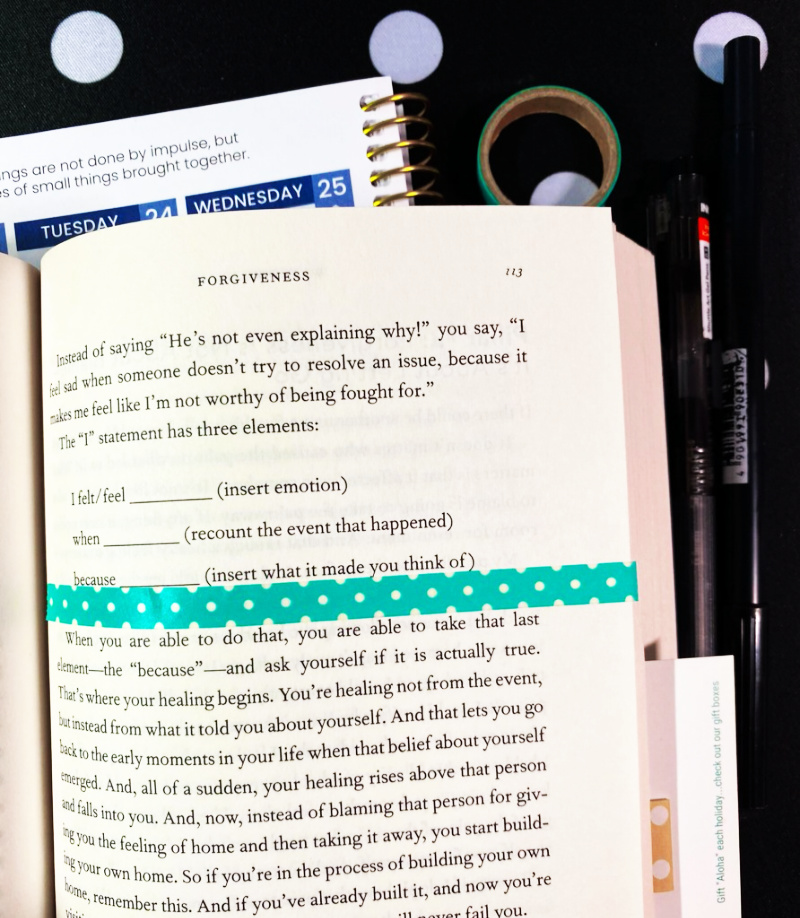
“‘You’ statements imply a state of homelessness, because you are trying to find the answer somewhere outside of yourself.” -Najwa Zebian
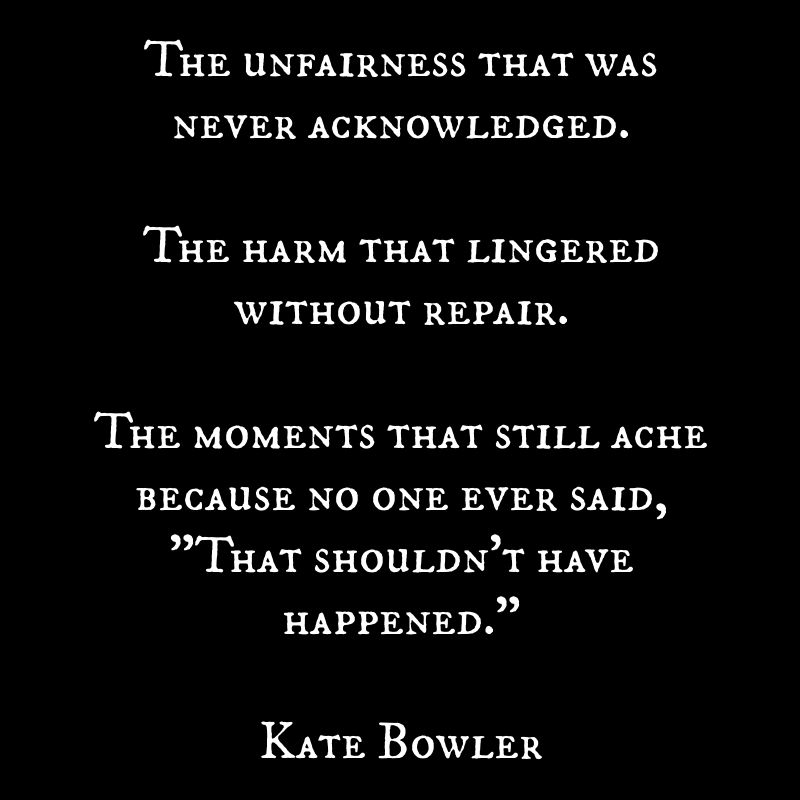
“The purpose of using ‘I’ statements is to separate your healing from the person who caused you pain in any way. It’s to drive you back to yourself. To your home” -Najwa Zebian
- Thematic 100-day practices are the ideal time to recalibrate, to process, to recover as sense of identity while slow journaling. To pay attention + make connections.
- I am learning practical steps to healing within the theme of my current 100-days practice.
- Example: [stress imprints] “unfinished stress responses stored in the body and nervous system because the body doesn’t have the safety, capacity, or support needed to complete it” (Kate Connolly).
- Example: “Forgiveness is not about blame—it’s about letting go.” -Najwa Zebian
💗 Braveheart, how are you? How are you coping and evolving? What are you giving your time and energies to? What has your attention?
💁🏻♀️ For April, the themes for Ko-fi resources will be [baby-steps & dailies]. There will be ideas + templates for discerning + discovering the necessary rituals for our well-being.
- For 2026, I am focused on weekly and monthly reviews as a way to remind myself of the sequences, resources, themes and prompts that foster my practice.
- [future versions …] what are you telling yourself, Braveheart?
Thank you kindly for your presence here, Braveheart. 💗
I appreciate your interest and support.
~love & good wishes~